
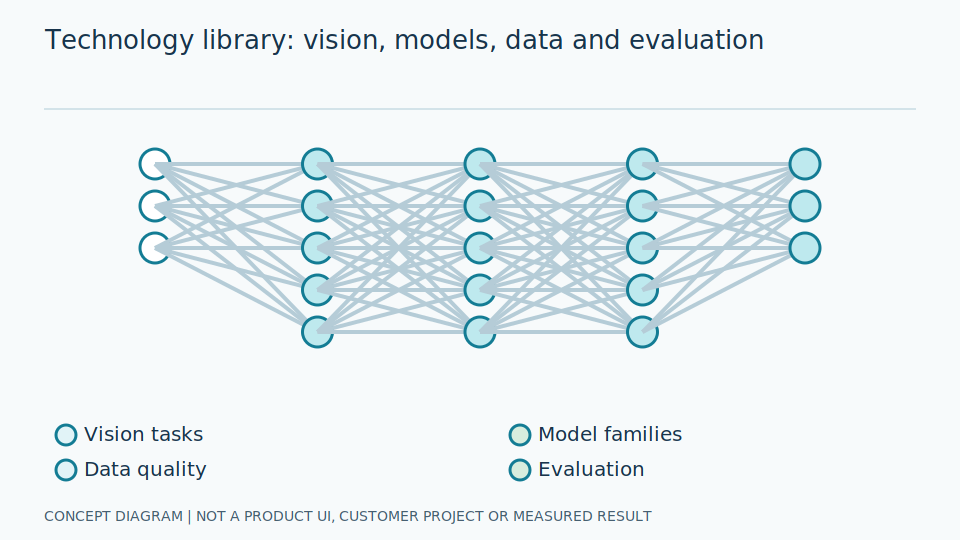
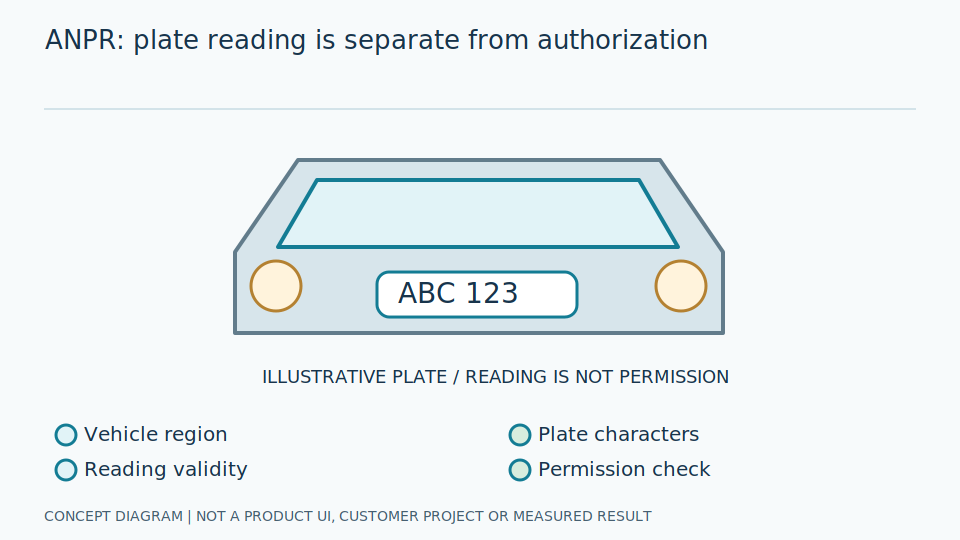
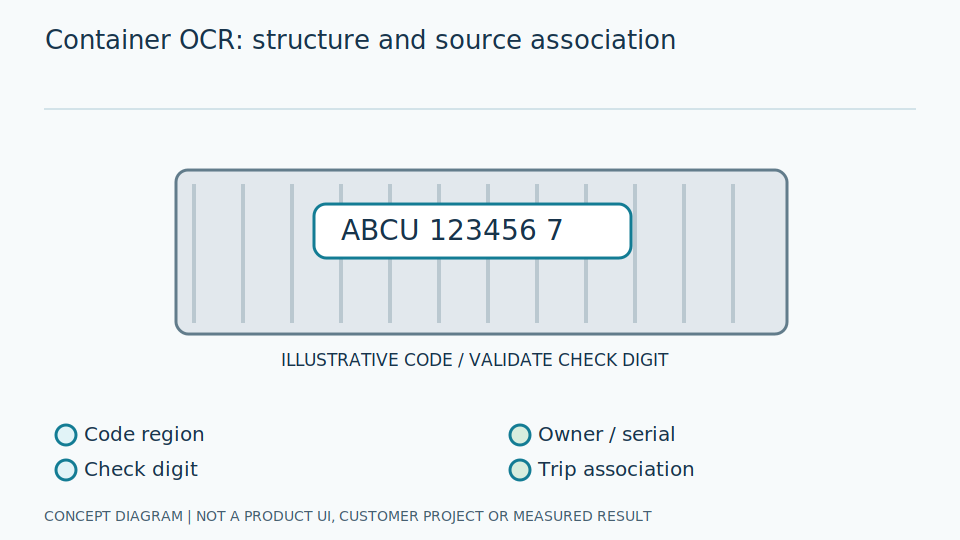
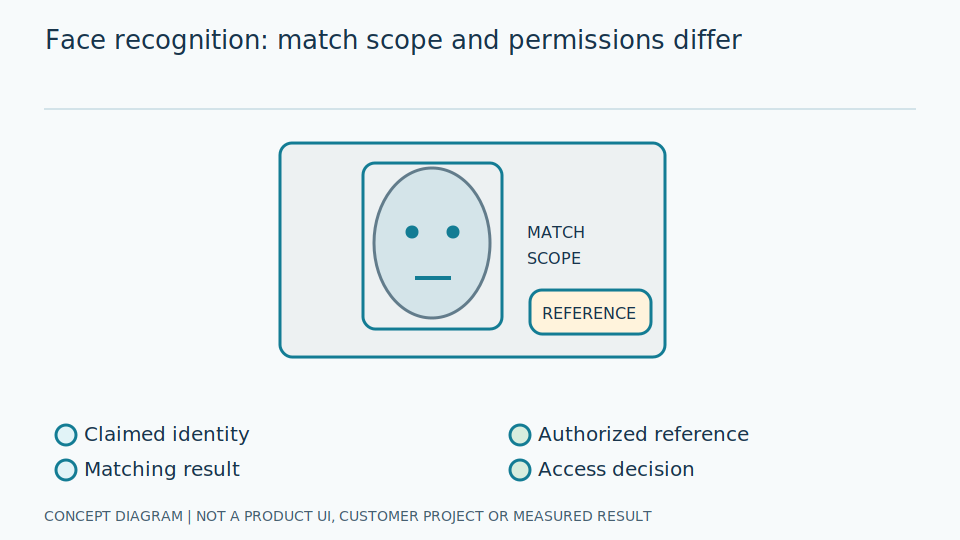
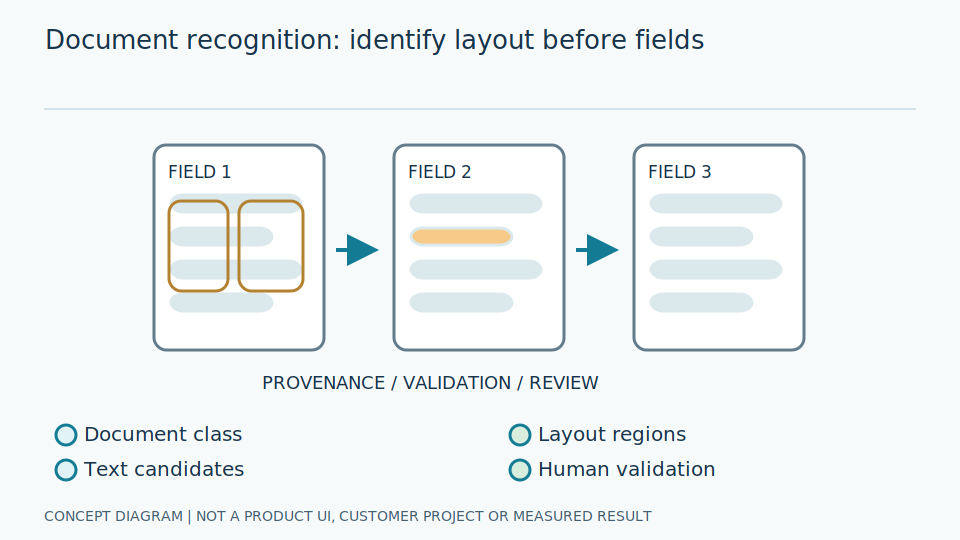
Follow the stages of an image-processing task
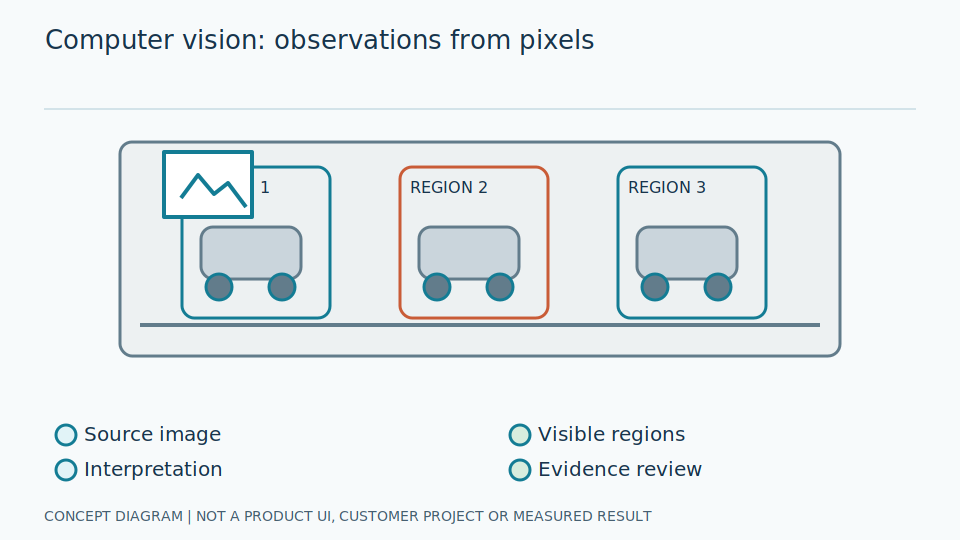
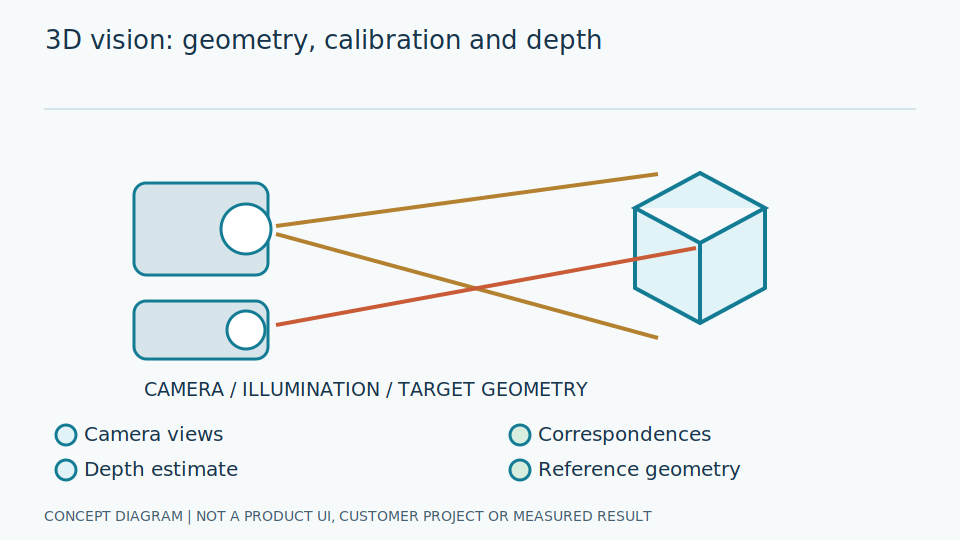
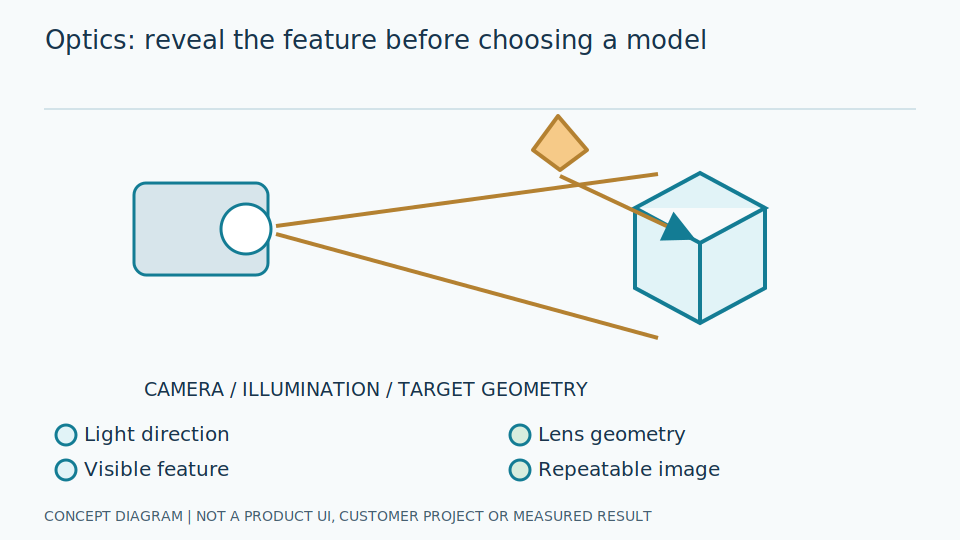
Computer Vision is more than an object detector. A task often starts with lighting and optics, continues with locating a region, and then interprets shapes or text before producing a meaningful result. If the input does not contain sufficient detail, a different model may not recover a reliable answer. Study imaging and data alongside AI.
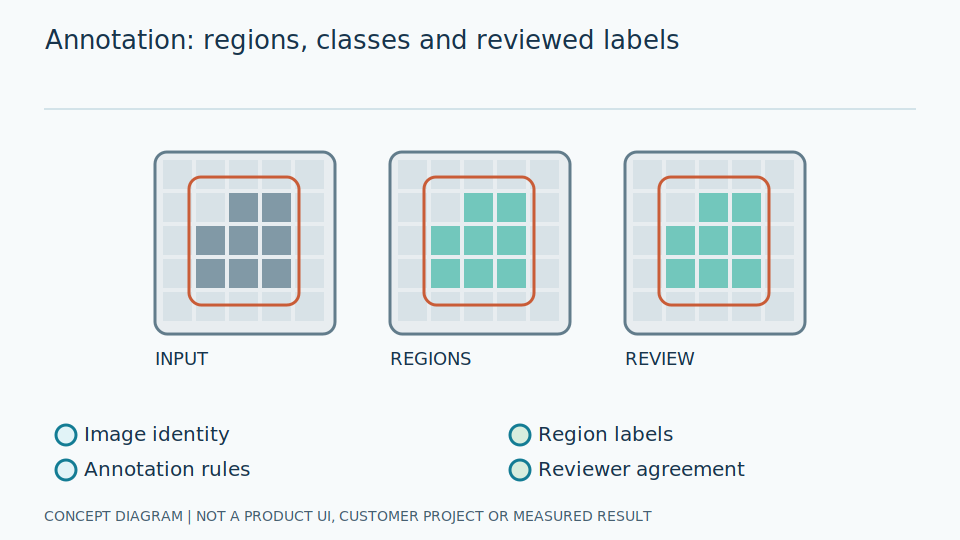
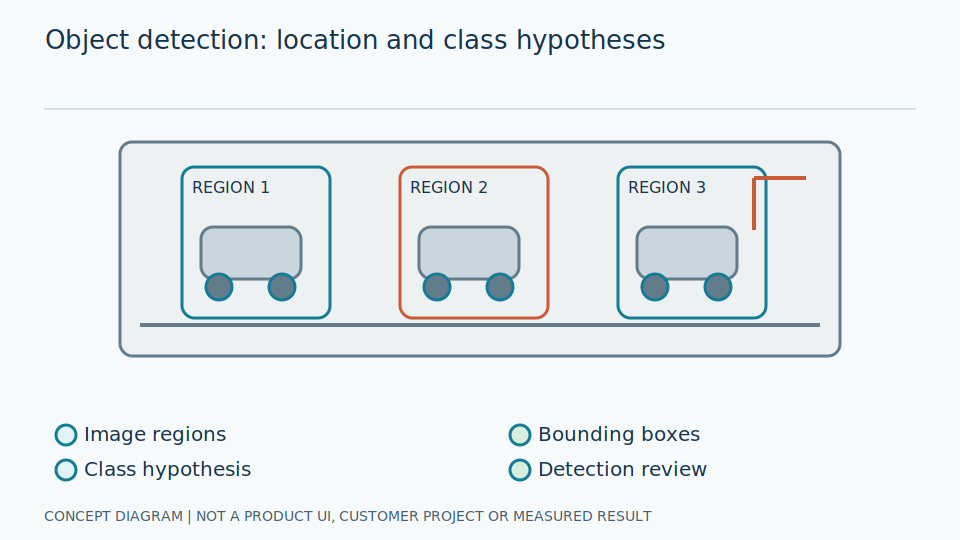
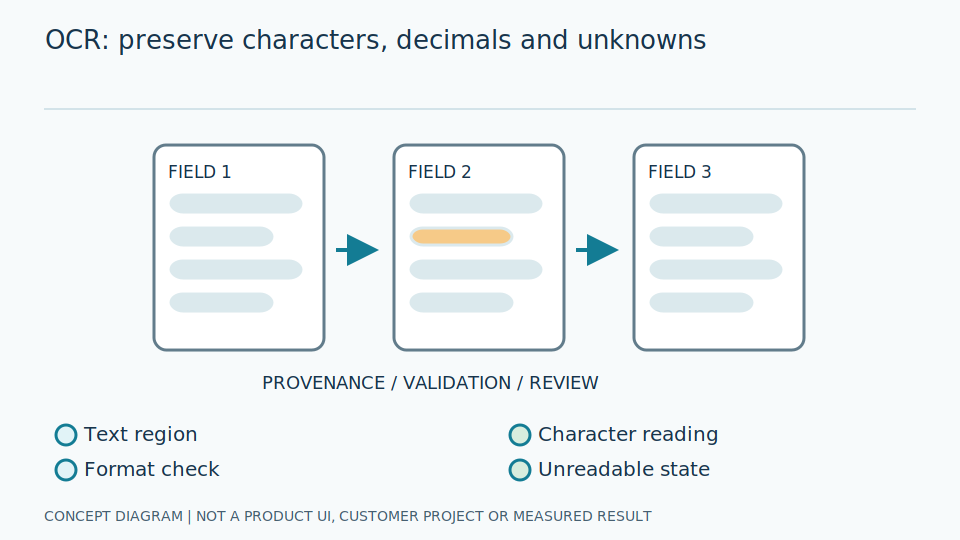
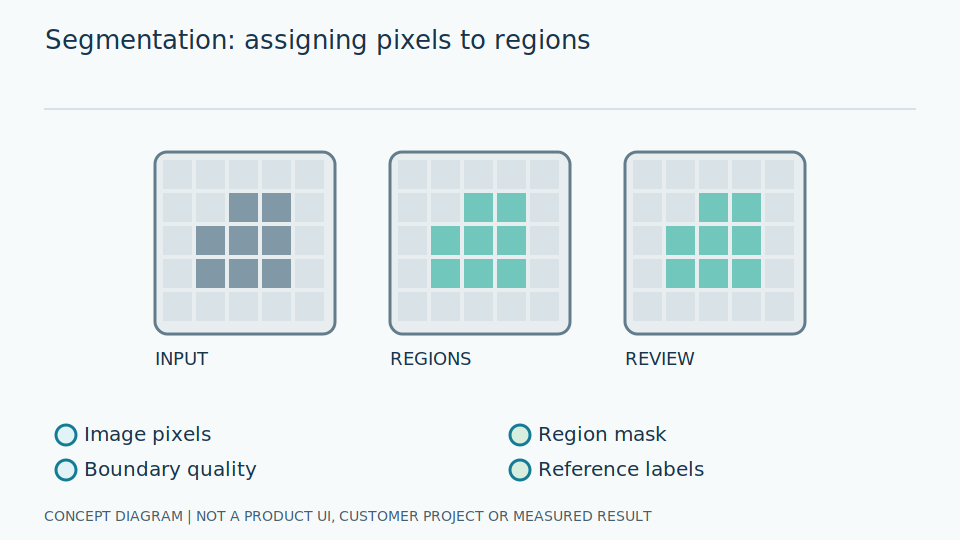
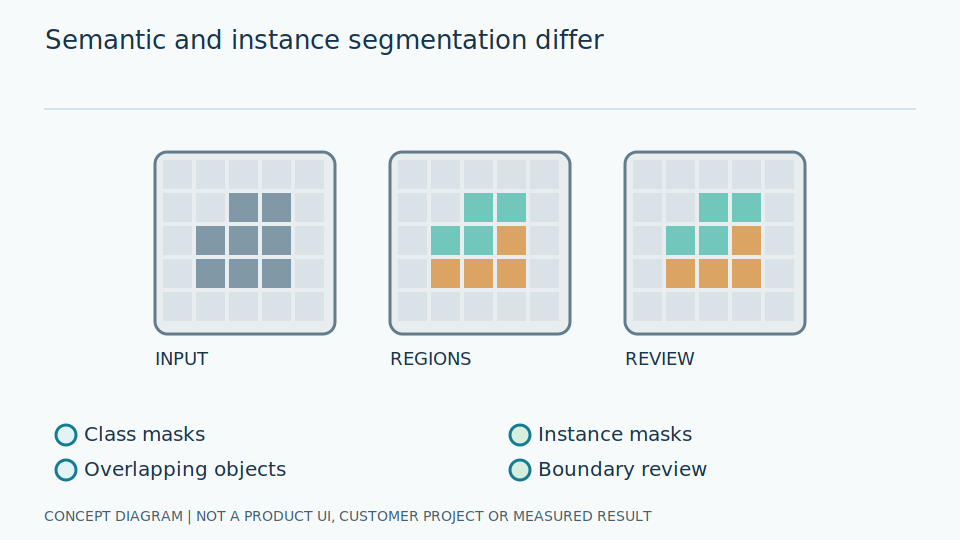
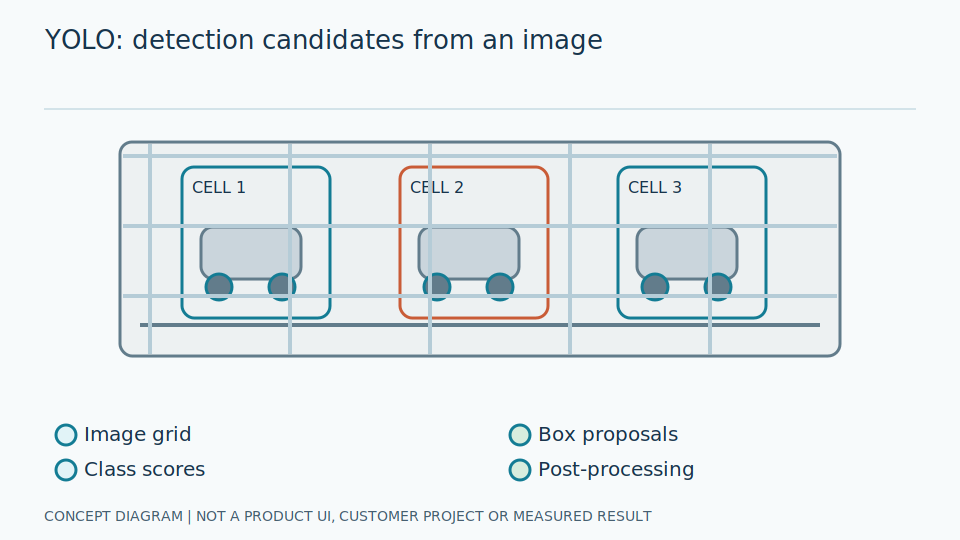
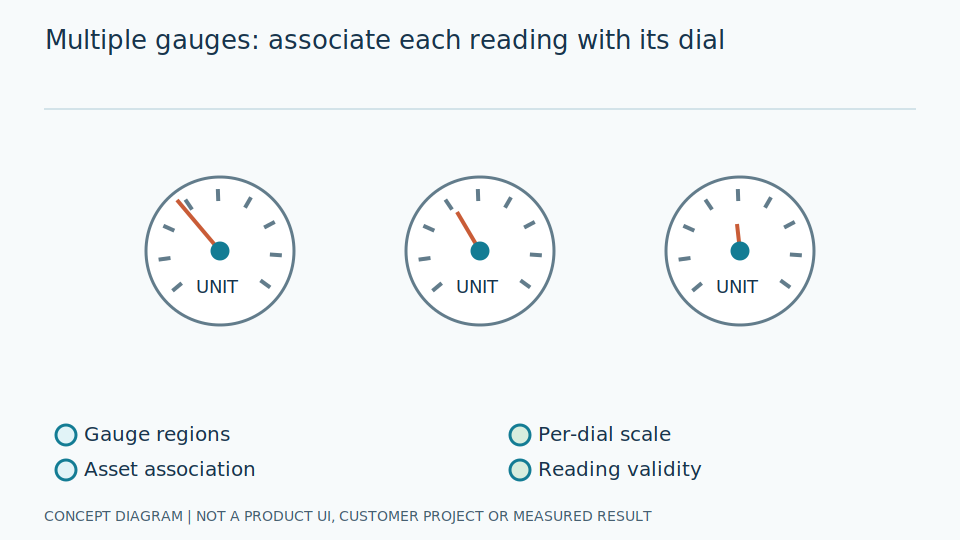
Three distinctions are useful for beginners: detection locates an object, classification assigns a category, and segmentation separates image regions at pixel level. Gauge reading may combine several methods; OCR focuses on text. Choose methods from the required output rather than the popularity of a model name.
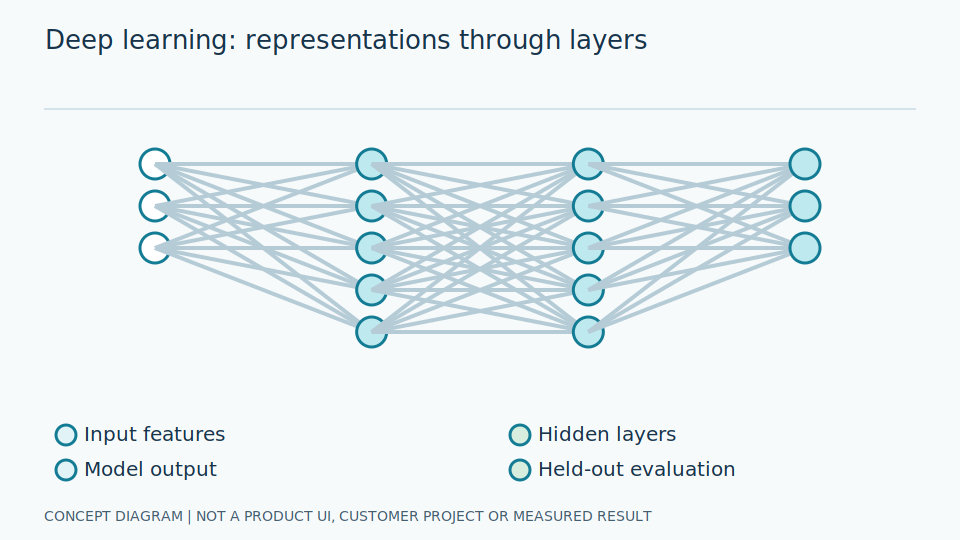
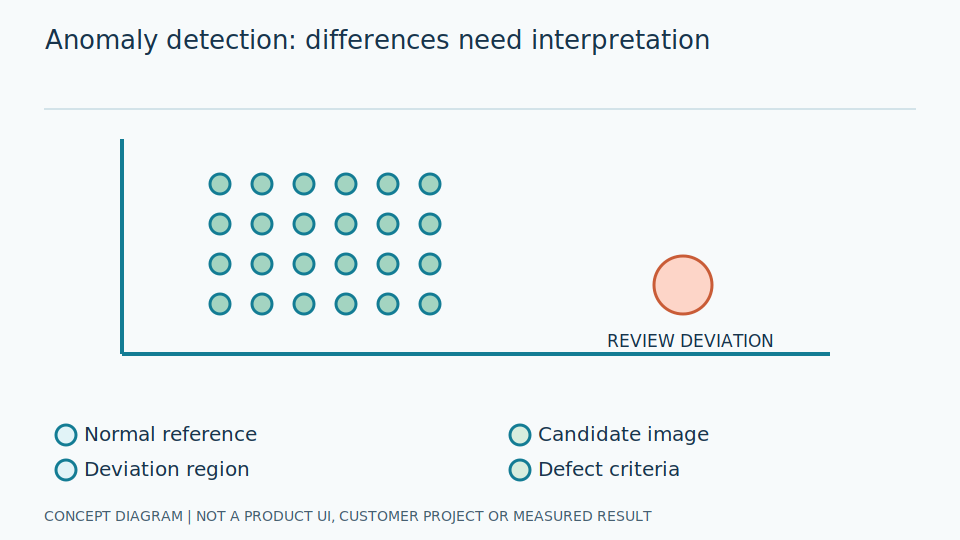
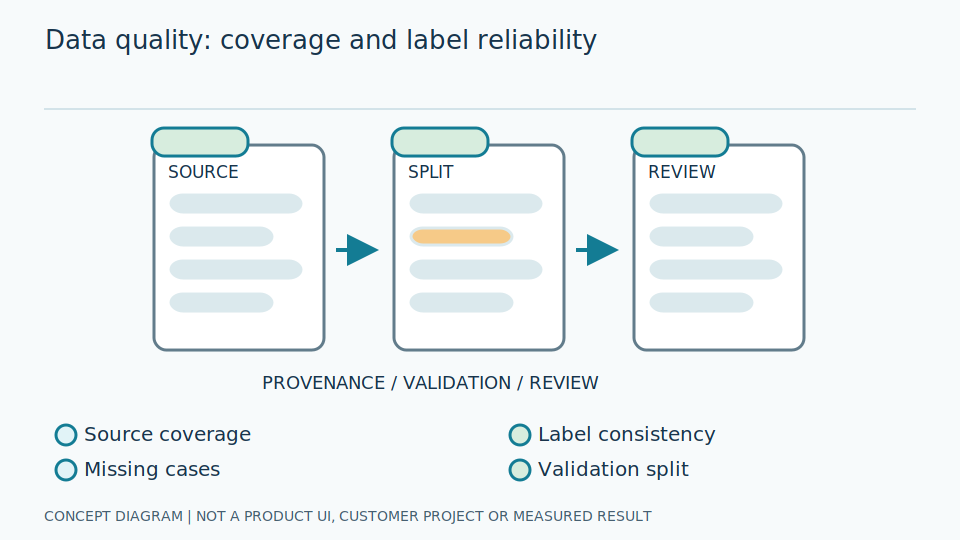
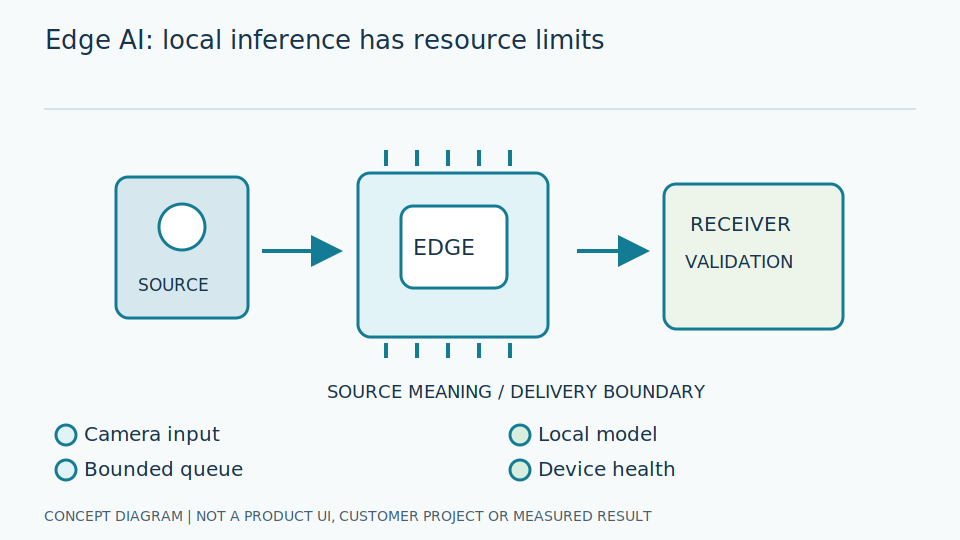
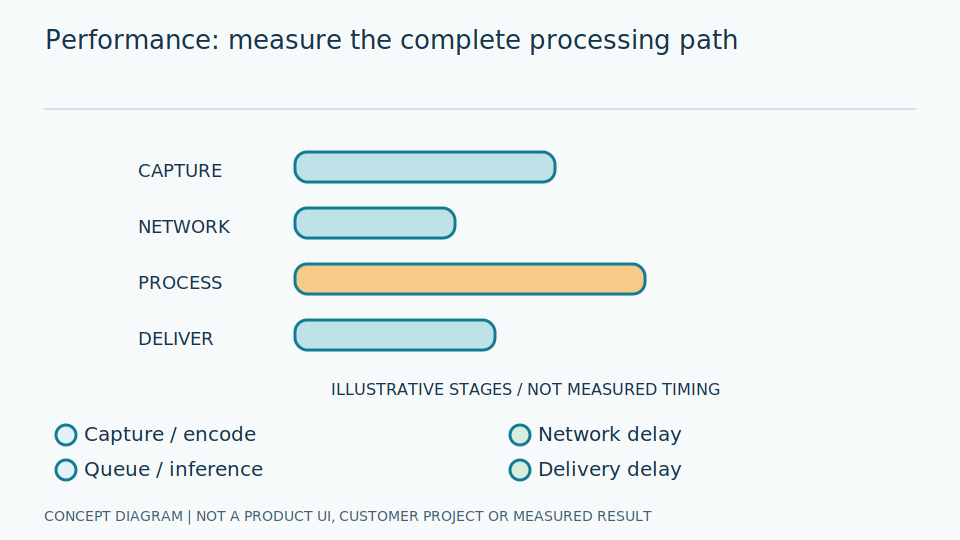
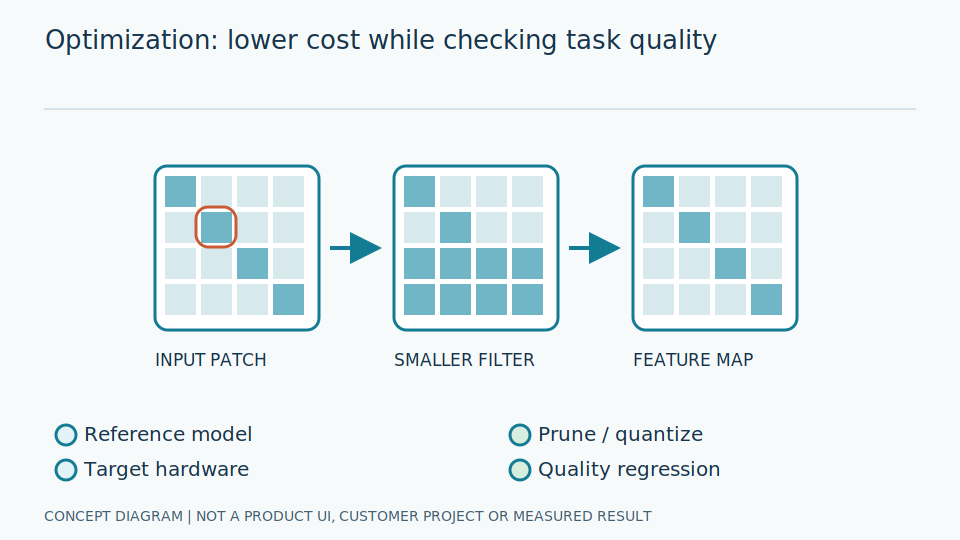
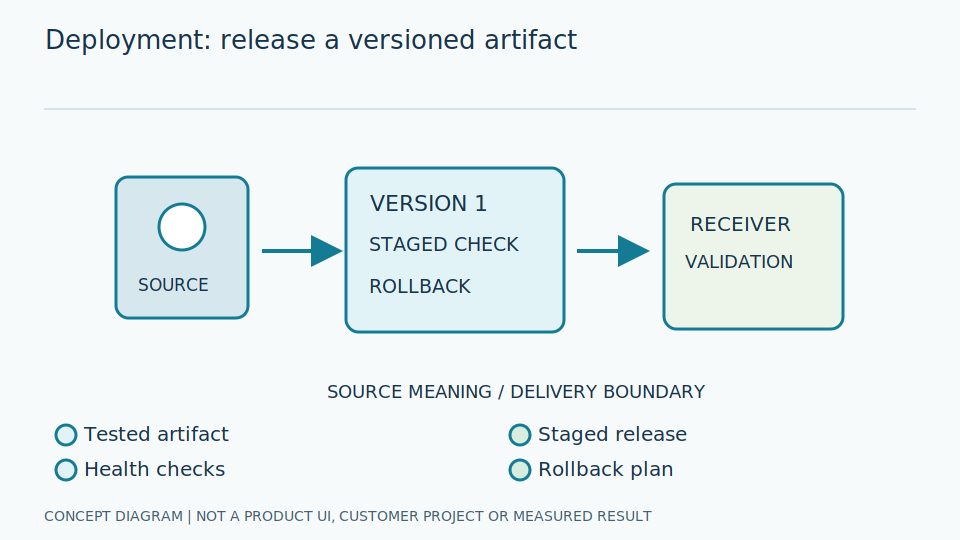
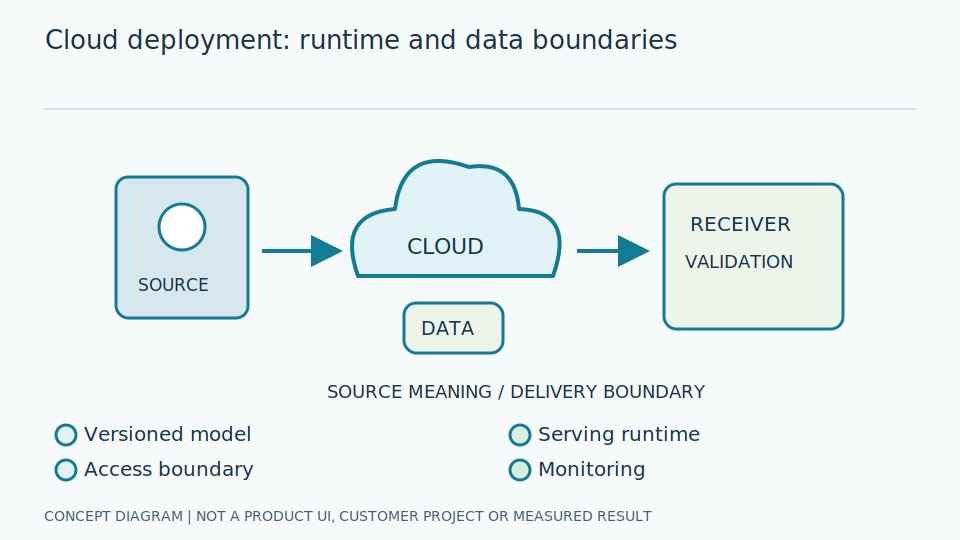
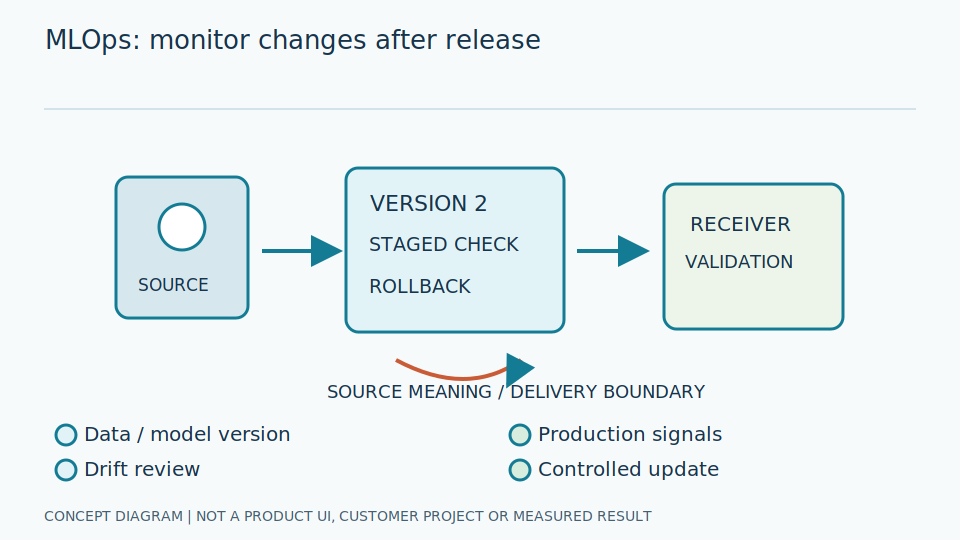
After understanding the task, study evaluation, data quality and deployment. A development-machine experiment may not represent memory, latency or site conditions. Verify both processing and the handling of observations for which the model should not return an answer.
Interpret metrics without relying on a single score
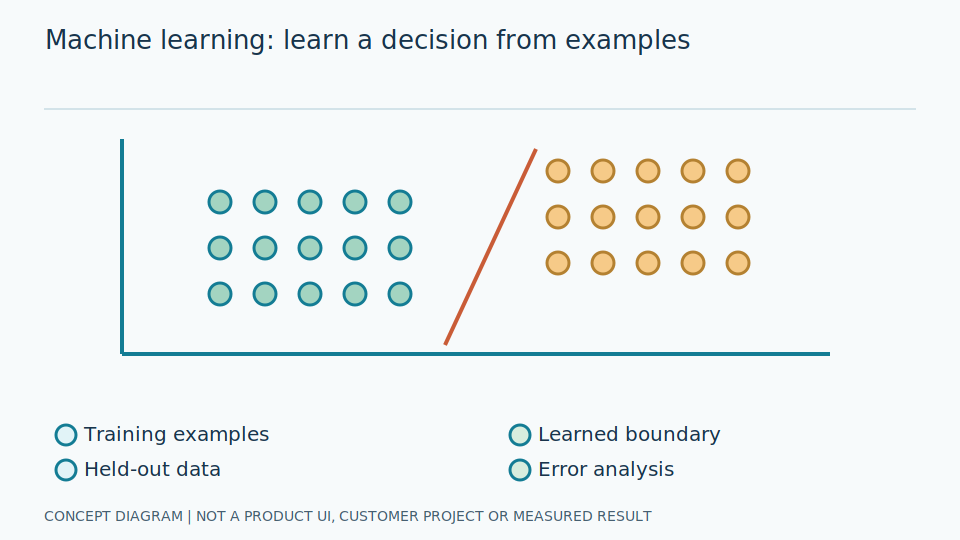
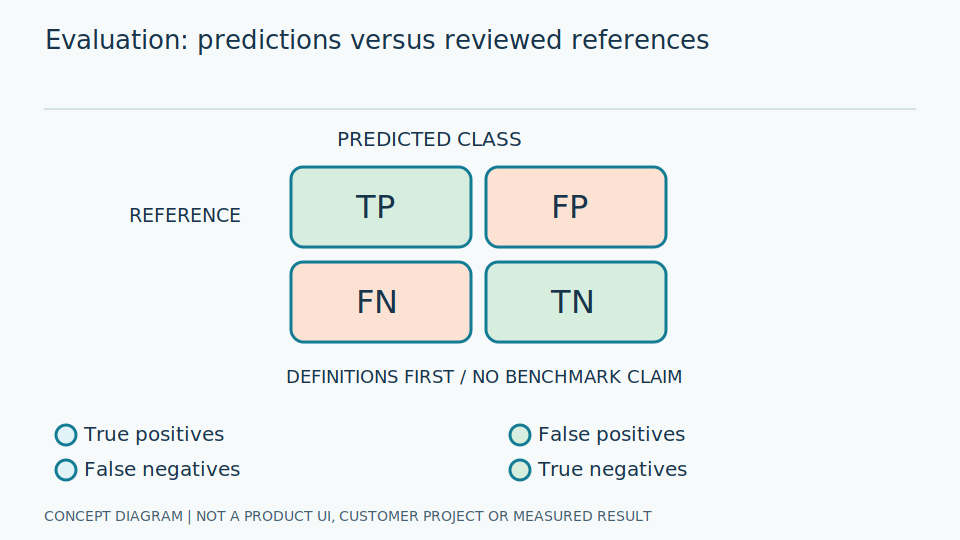
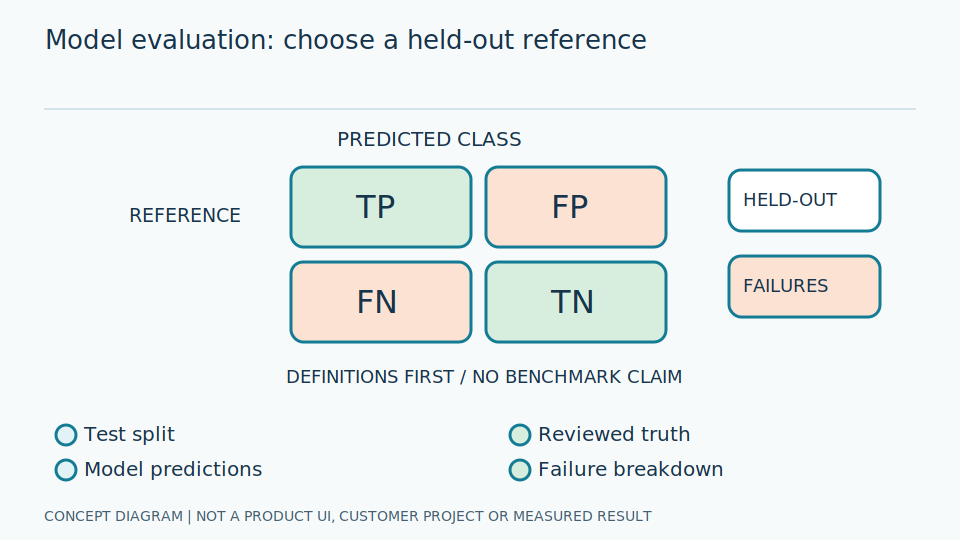
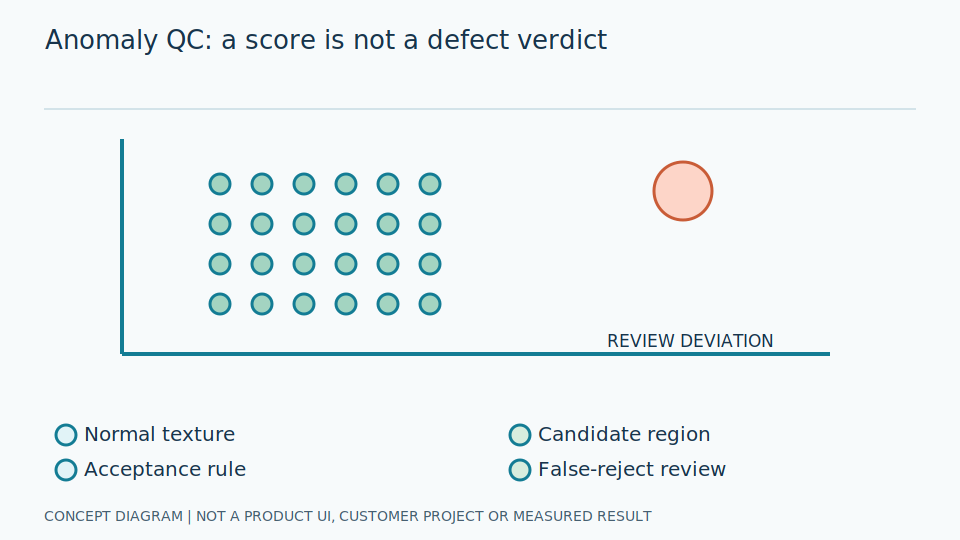
Accuracy is meaningful only when the measured task and evaluation data are known. Detection, text recognition and physical-value reading use different metrics. A test dominated by ordinary examples can look successful while missing events that matter most to users.
Group failures by conditions such as oblique views, reflections, small text and occlusion. Determine whether they originate in imaging, labels, result conversion or the model. Some failures need a camera or workflow change rather than additional training.
These articles explain principles and verification methods. References support study of original requirements; they do not establish that GaugeSnap implements every technique or holds the associated certification. Project acceptance criteria must identify versions, data conditions and measurement methods separately.