

Understand industrial vision development
Industrial vision connects cameras and lighting with AI, networking and user workflows. Assessing a developer therefore involves more than technology names: consider how problems are separated, how trials are evidenced and how responsibilities are defined.
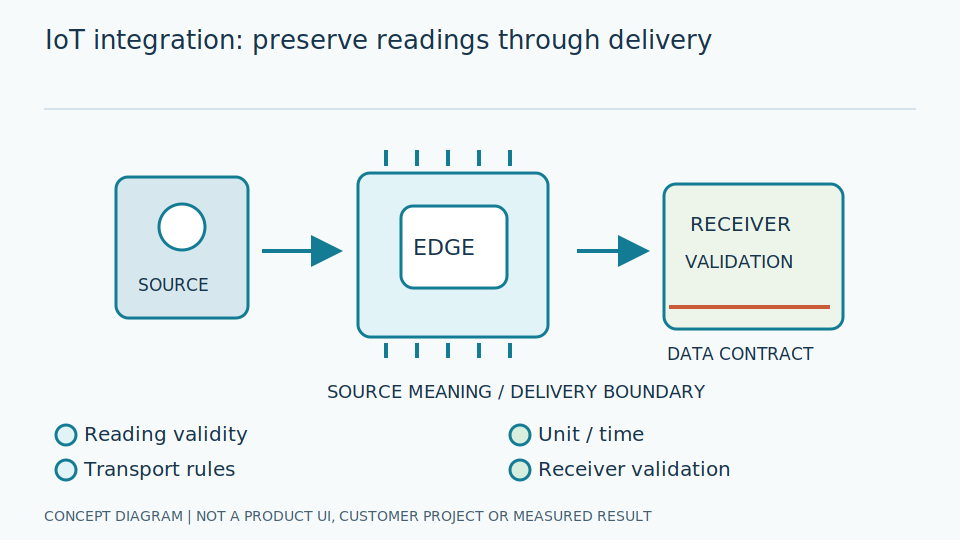
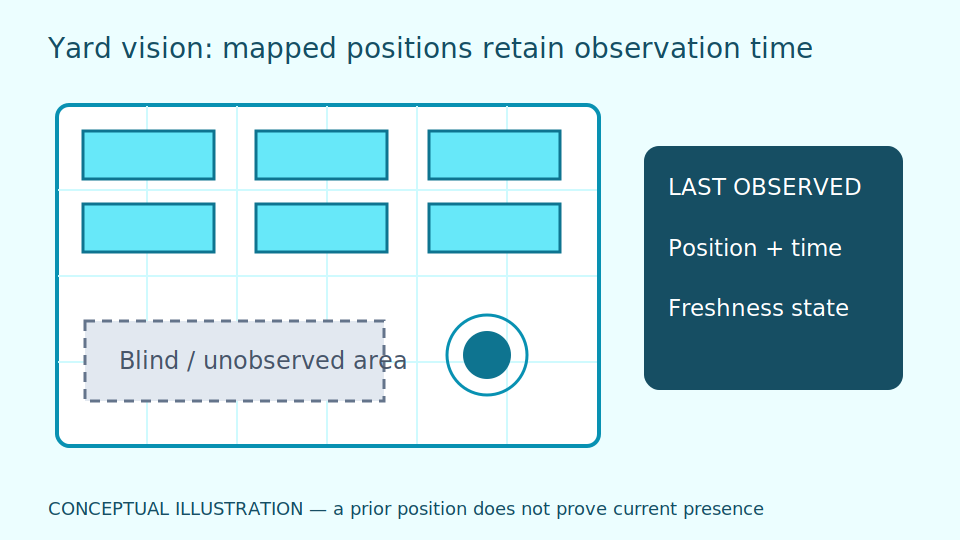
An image result needs instrument identity, time and validity before reaching a usable system. Good engineering covers unclear images, network failures and human review, rather than demonstrating only cases the model can answer.
Website articles explain principles and project questions. Company history, team details, delivered projects and certifications are different kinds of factual claims requiring confirmation. Illustrations and design guidance do not establish delivery or certification.
Discuss capability through verifiable evidence
Define data types, operating conditions and the consequences of errors, then identify what needs a trial. Useful evidence describes representative data and measurement methods rather than a score without its test conditions.
Industry standards help organize design and questions. Mentioning a standard does not establish organizational or product certification. Distinguish guidance documents, test evidence and certificates with their actual scope.
Use equipment, technology and solution guides to prepare context for an SI partner: shareable images, current methods and receiver constraints. Specific company or project facts awaiting confirmation are not invented in these explanations.