
Animal & Intrusion
Detection System
AI system that automatically detects animals, unauthorized persons, or anomalies in restricted areas with instant alerts.

Usage Context and Data Preparation
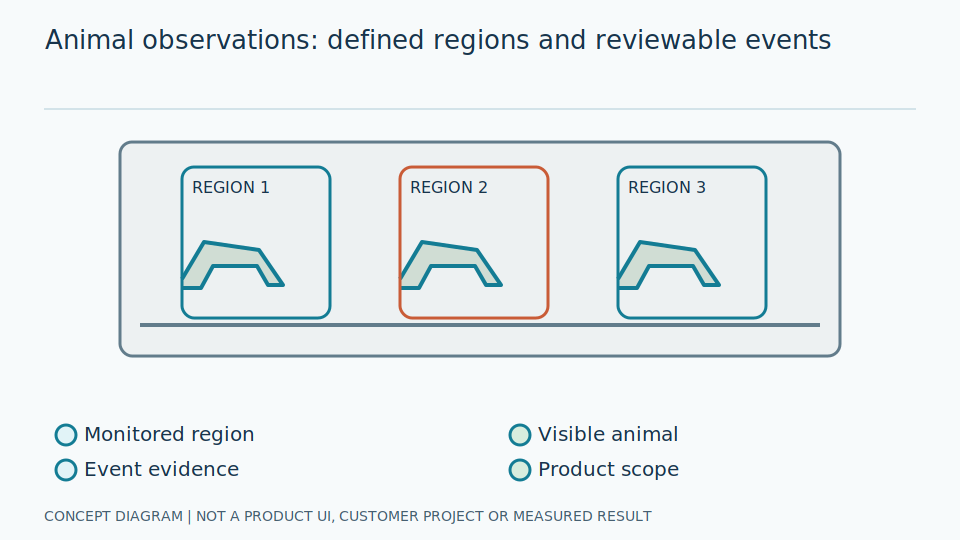
Intrusion monitoring starts with image zones and event types, such as animals entering a warehouse or people entering outside working hours. Relate detected events to images, locations and times so recipients can distinguish an incident from authorised activity.
Prepare camera views, monitoring zones, examples of objects present and normal activity schedules. Identify notification recipients, intended channels and on-site verification procedures. An object or person visible inside a monitored zone provides response context; it does not establish a person’s intent.
Define the animal or object categories and the actual visible area. Shadows, leaves and distant objects can resemble targets. Include these in trials to assess false alerts rather than using only fully visible animals under favorable light as evaluation evidence.
Image zones are perspective views, not necessarily physical ground distances. Establish boundaries from actual placement and site plans, especially for oblique or obstructed views. Revalidate after camera or lens changes rather than assuming old zones retain their physical meaning.
Group consecutive detections into reviewable events instead of issuing an alert on every frame. Define starts, ends and grouping rules with necessary evidence. Disappearance from view does not prove departure from the site; the object may remain behind an obstruction.
Recipients need verification and response responsibilities. AI observations provide monitoring context, not conclusions about intent or authorization for potentially harmful automatic action. Images containing people need purpose-appropriate access and use boundaries defined for the actual area.
Measure missed real events, false alerts, delivery time and review effort by day, night, weather and obstruction. Correct frame counts do not prove complete event coverage. Test lost cameras and dark images so absent information is not mistaken for absence of incidents.
Schedules, event grouping and specific alert channels are proposals pending scope and trials. Image observation is not a physical barrier or a certified protective function. Maintain a responsible site procedure when monitoring is unavailable or evidence is insufficient.
Key Features
Dangerous Animal Detection
Detect snakes, rats, birds, dogs, cats, and more in factories, warehouses, or substations.
Unauthorized Person Detection
Detect individuals entering restricted areas or outside working hours.
Multi-channel Alerts
Alerts via LINE, SMS, Email, and Siren with photos and video.
Custom Zone Definition
Draw restricted zones on camera view — define your own surveillance areas.
24/7 Operation
Works day and night — supports IR and thermal cameras.
Statistics & Reports
Intrusion reports with frequency, timing, and location for prevention planning.
Scroll the diagram horizontally to inspect all details.
Key Benefits
Always Protected
No blind spots, never sleeps — 24/7 surveillance.
Instant Alerts
Situation awareness within 3 seconds.
Reduced Guard Costs
Fewer security personnel needed.
Damage Prevention
Prevent animal damage to cables and equipment.
Technical Specifications
| Item | Specification |
|---|---|
| Accuracy | > 95% |
| Detection Speed | < 2 seconds |
| Detectable Animals | Snakes, Rats, Birds, Dogs, Cats, Monkeys |
| Supported Cameras | IP, IR, Thermal |
| Camera Count | Unlimited |
| Alert Methods | LINE, SMS, Email, Siren |
Suitable For
Related articles and knowledge
Vision AI Knowledge Library
Start with image interpretation, event information and evidence-backed retrieval.
Read MoreDetection and Event Indexing
Define identifiers, time, attributes and data lifecycle before choosing an index.
Read MoreNatural-Language Search
Separate objects, attributes, relationships and questions requiring confirmation.
Read MoreHybrid and Multimodal Retrieval
Combine filters and vectors without assuming similarity proves every condition.
Read MoreSearch Evaluation and Governance
Evaluate relevance, evidence, permissions and information missing from an index.
Read MoreRelated Content
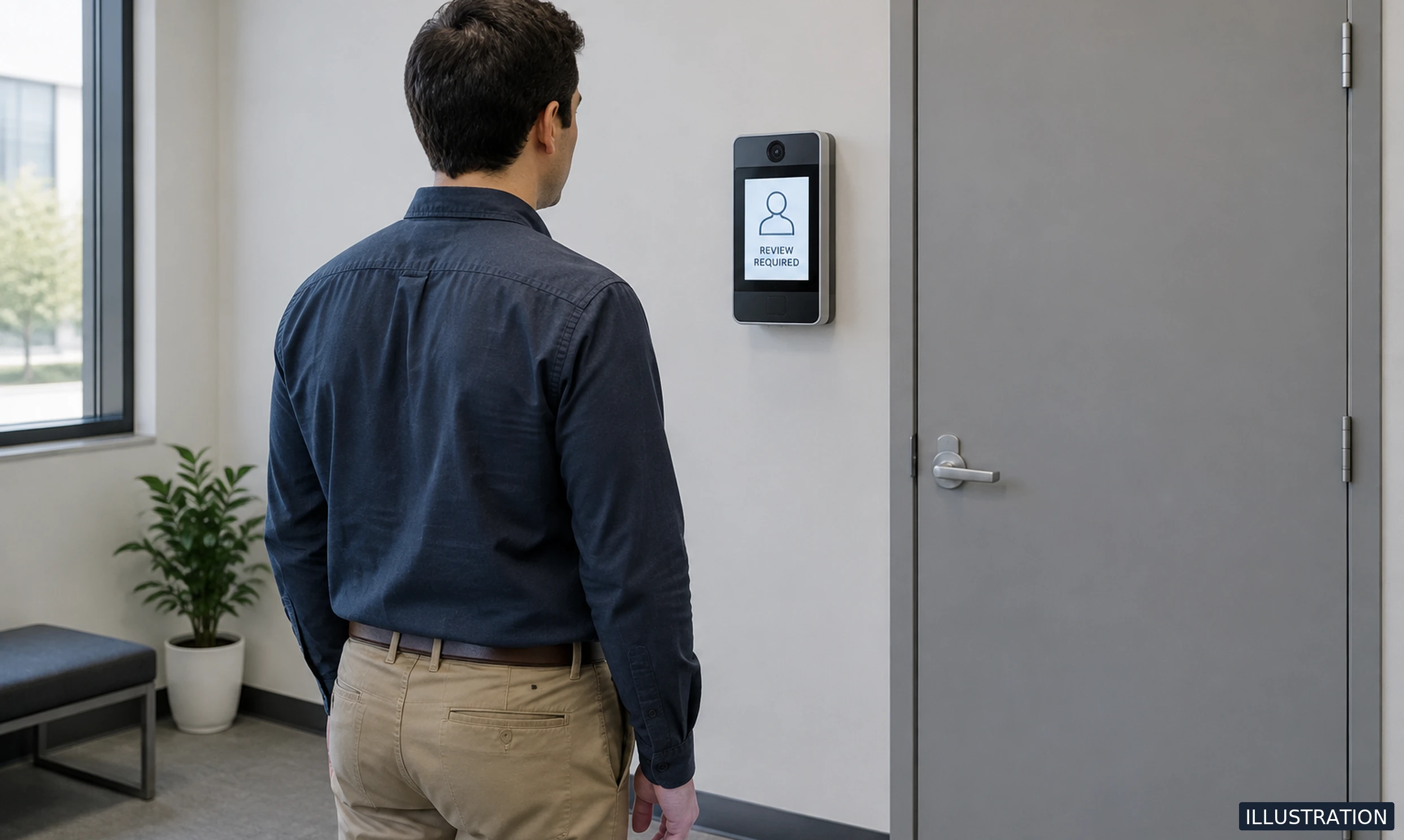
Face Detection & Recognition System
AI-powered face detection and recognition system for access control and security.

License Plate Recognition (LPR) System
Automatic license plate reading system for parking management and vehicle access control.
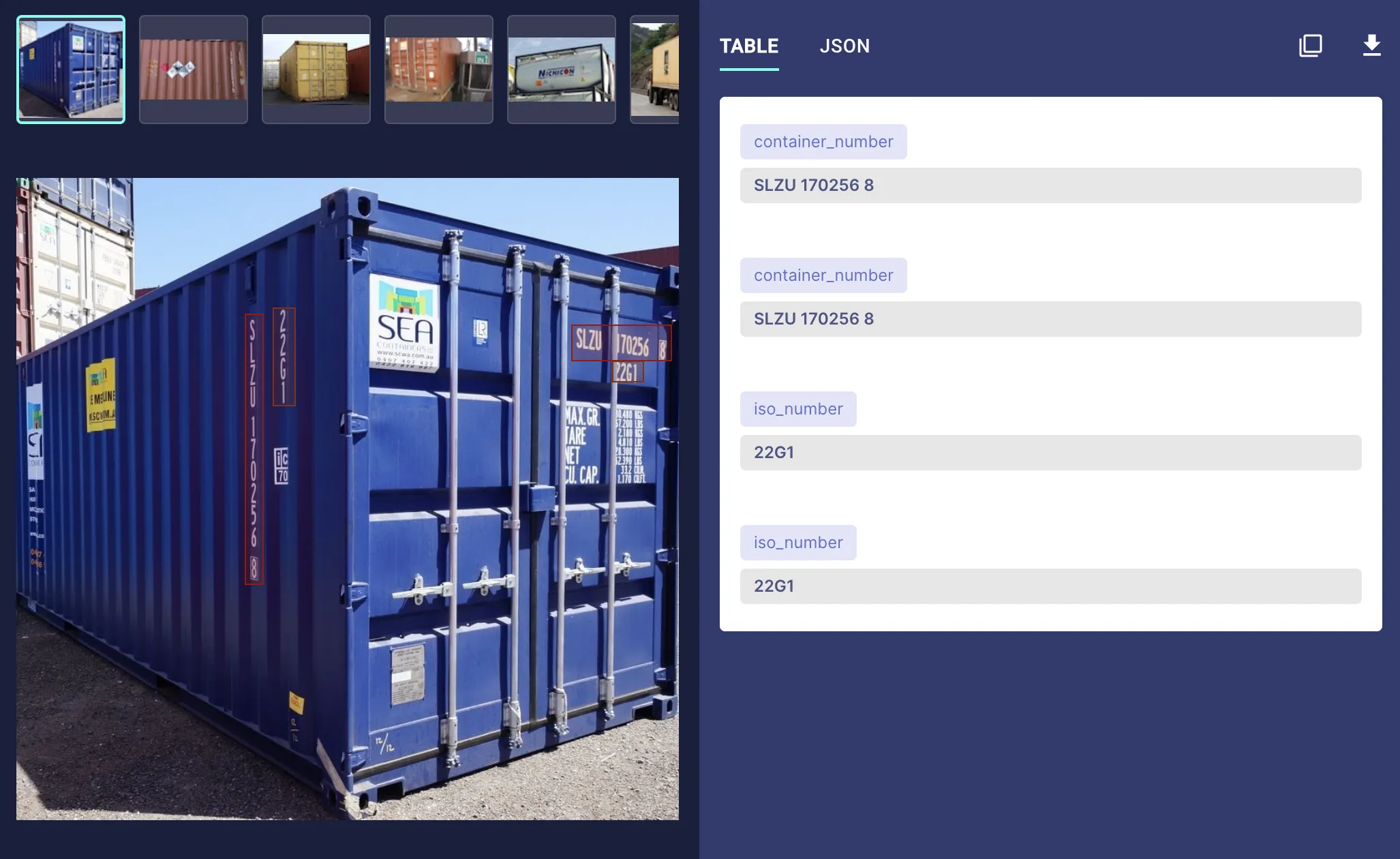
Container Code Recognition System
Automatic container code reading system for logistics and port terminal management.
Interested in AI Vision for Your Organization?
Contact us for a free consultation and live system demo.