Prepare information that can be retrieved and verified
Start with camera and source registers, timezones and clock synchronization. Image time, ingestion time and index creation time mean different things. Store them separately so historical questions can be traced to the correct observation interval.
A track ID describes object tracking within defined camera or processing boundaries, not permanent personal identity. Event aggregation needs start/end criteria and relationship evidence. Do not join cross-camera paths on appearance similarity alone.
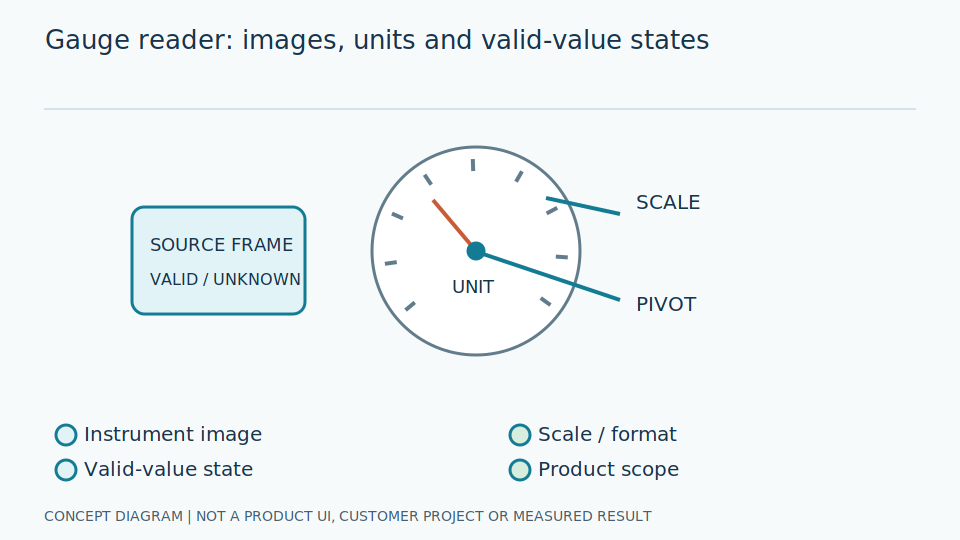
Unobservable attributes need unknown or invalid states rather than values suggesting successful detection. Model or schema changes require versions and a plan to review older indexes, so retrieval does not mix observations whose meanings differ.
Show the interpretation before searching
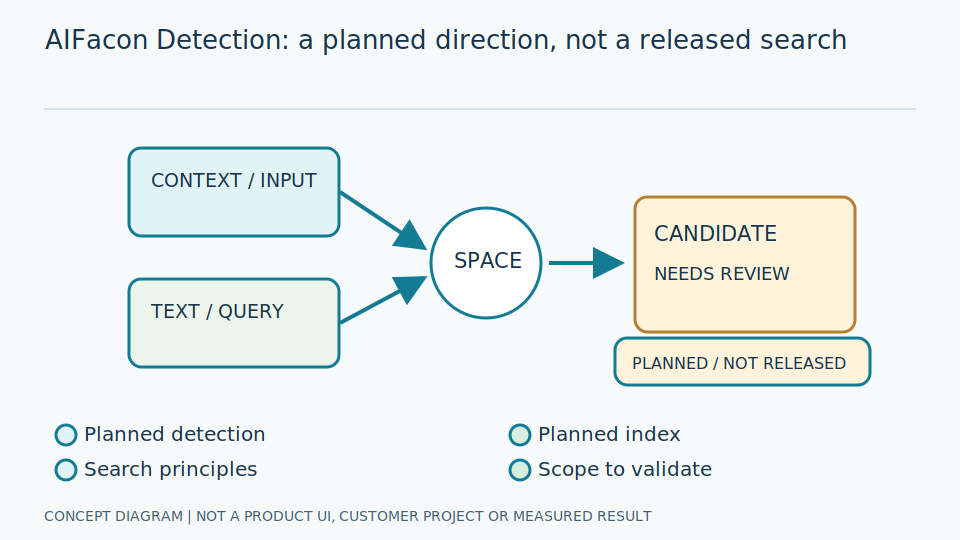
Present objects, attributes, relationships, cameras and time intervals separately. If the date is missing or “approximately” has no defined window, request information or a user selection rather than silently creating temporal boundaries.
Finding a red-shirted person carrying a box requires both attributes and action to refer to the same person. Carrying may need multiple frames, temporal evidence and human review when objects are occluded or people pass close together.
Explain unsupported or uninterpretable constraints explicitly. Dropping a required condition while presenting successful search results misleads users. Query structures and data access need validation before execution, with appropriate responses when the request cannot be satisfied.
Trial both correct matches and confusing alternatives
Include red-shirted people without boxes, box carriers in other colors and boxes near somebody else, alongside multi-frame matches and incomplete visibility. These distinguish actual relationship retrieval from matching concepts that merely occur together.
Reference answers should identify events and evidence intervals, not inflate scores with similar frames. Measure precision and recall at declared result counts with explicit relevance criteria and disclosed coverage of the evaluated index.
Test denied access, deleted sources, index delay, camera loss and ambiguous dates. Distinguish causes of no matches from system failures with appropriate states. These trials inform acceptance criteria; they are not results for a released product.