




Understand an instrument before reading it with a camera
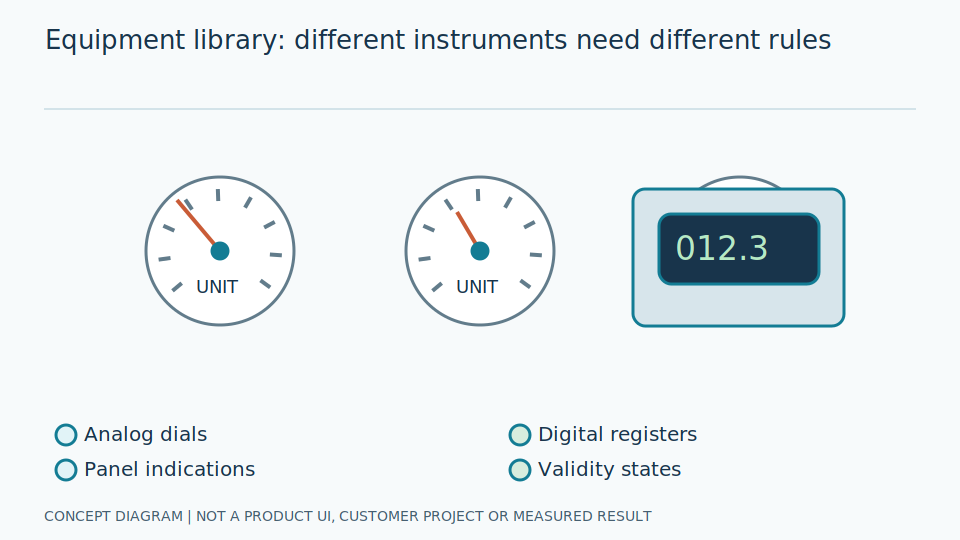
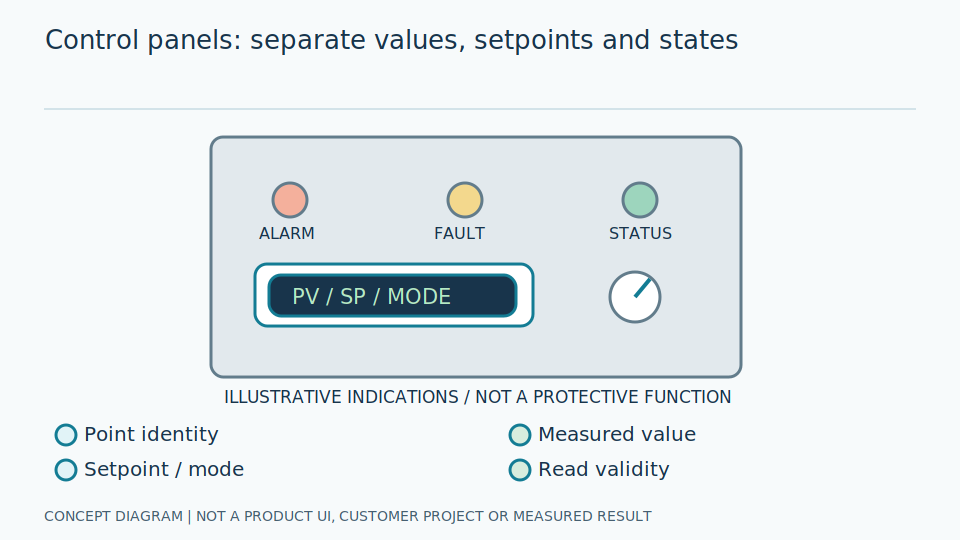
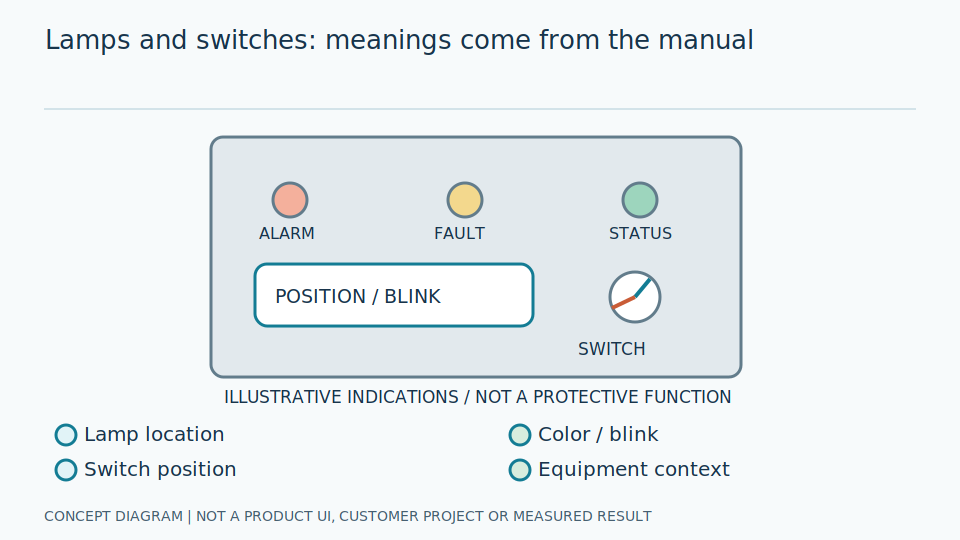
Similar-looking instruments can measure different quantities. A gauge may show pressure, level or differential pressure, while a meter may switch between display modes. Establish the model, unit, range and state meanings before selecting a reading method. Dial appearance or indicator color alone is insufficient.
A camera can observe existing visible information without replacing the instrument, but it does not improve that instrument internally. A sticking or uncalibrated gauge may be read accurately from the image while its physical measurement is wrong. Separate instrument uncertainty from image-reading error.
Start with the equipment you actually have, then read setup, failure and evaluation together. The model-specific manual establishes measurement and maintenance conditions. These articles help formulate observation-design questions; they do not replace manufacturer instructions or confirm support for every model.
Survey installation risks before a trial
Collect close images showing details and wide images showing the installation. Check people or machine parts blocking the view, vibration and changing light. One attractive sample does not establish continuous readability throughout an operating cycle.
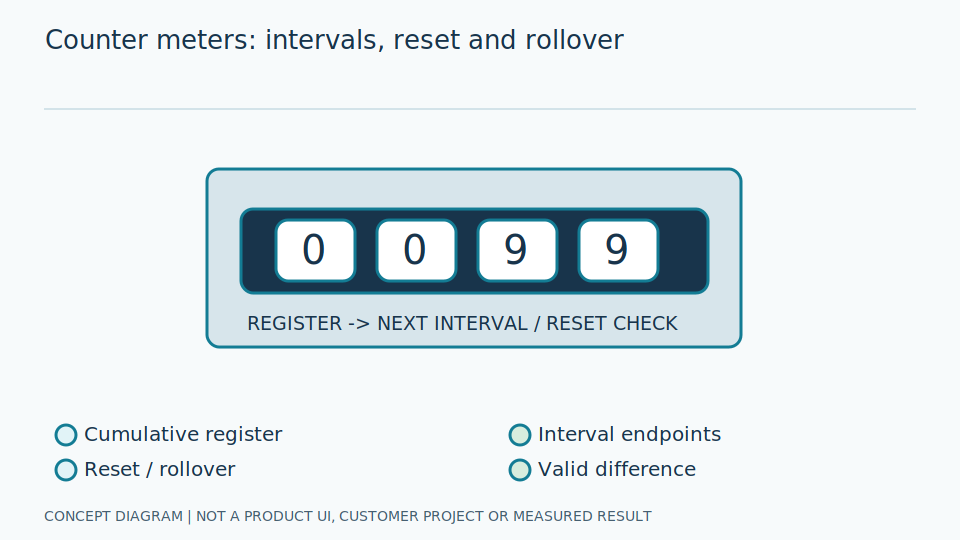
Assign a stable reading-point identity and define result meanings. Fogging or an obstruction should produce an unreadable state, not zero or the previous value. This matters particularly where zero is a valid result, such as pressure after shutdown.
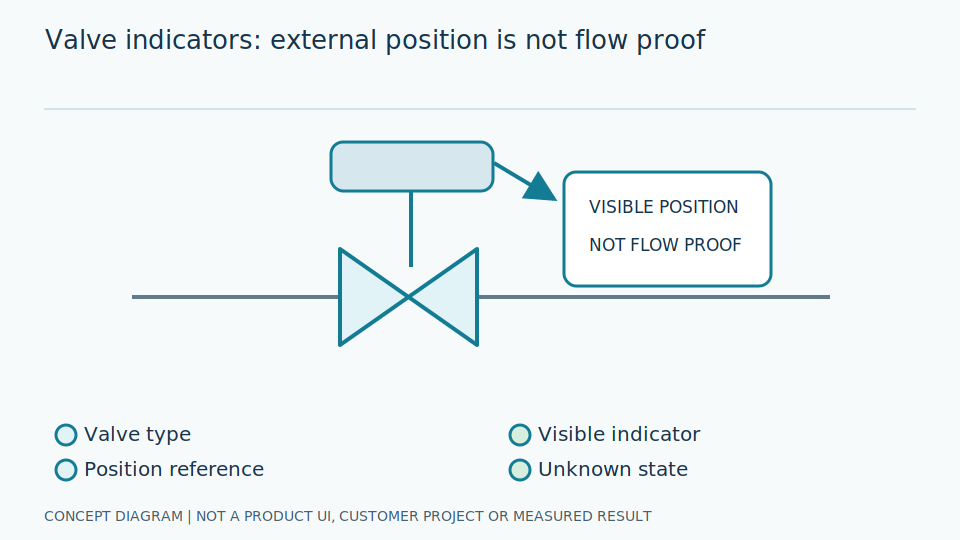
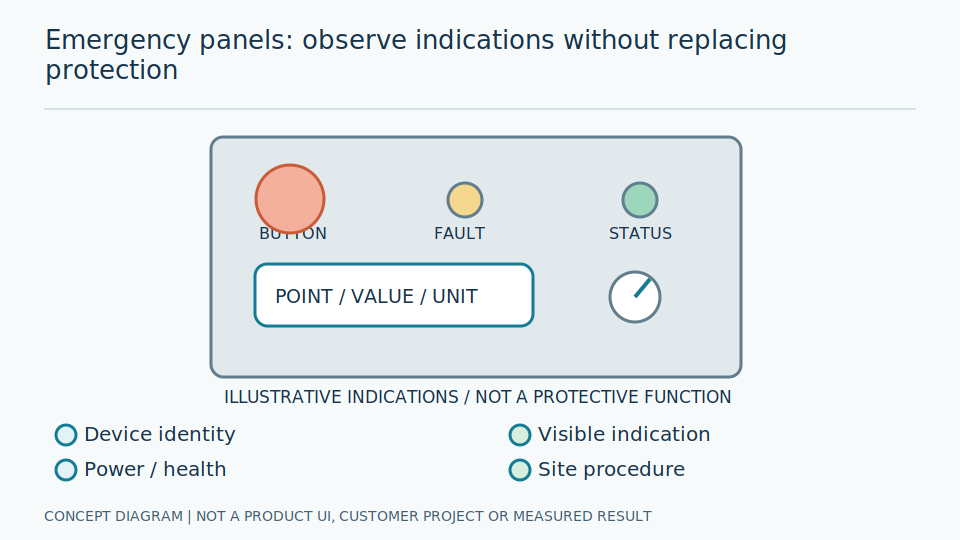
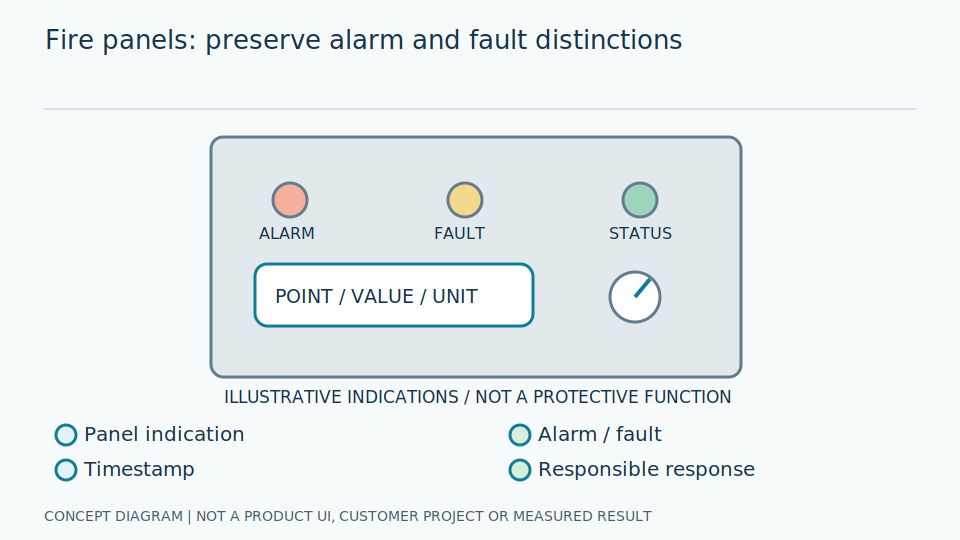
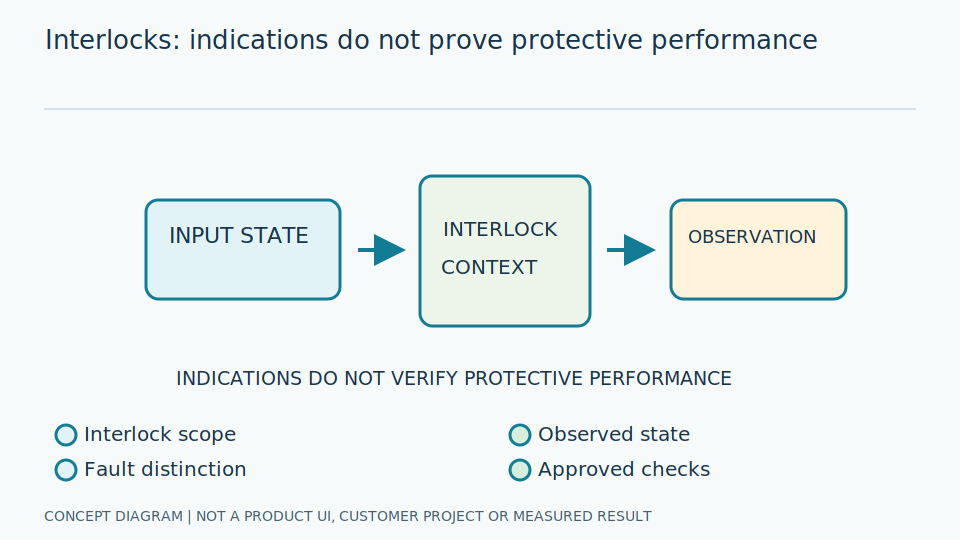
Limit safety-related observation to an appropriate role. A visible valve indicator does not prove that flow has stopped, and an image of protective equipment does not establish overall safety. Cameras do not replace interlocks, emergency-stop circuits or specifically engineered and certified protective functions.