



Understand the output before comparing features
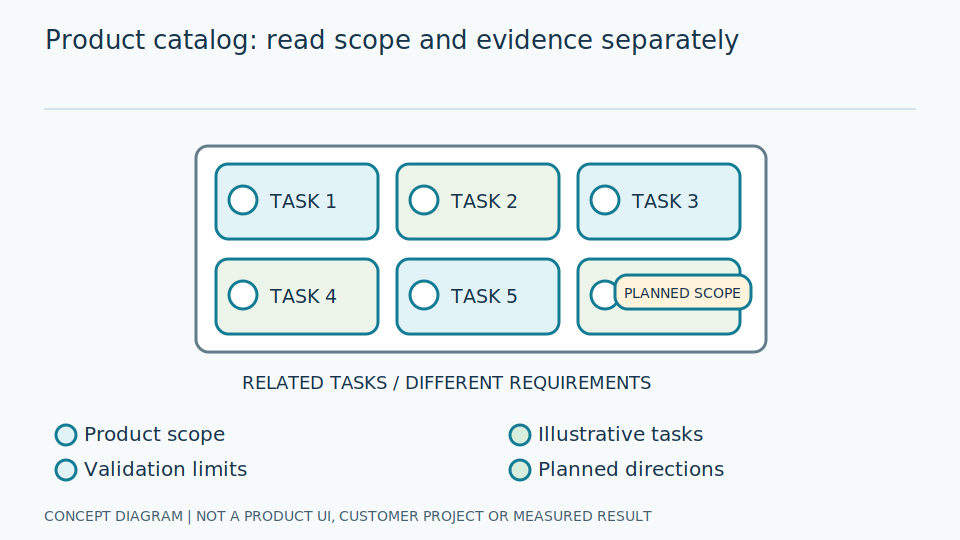
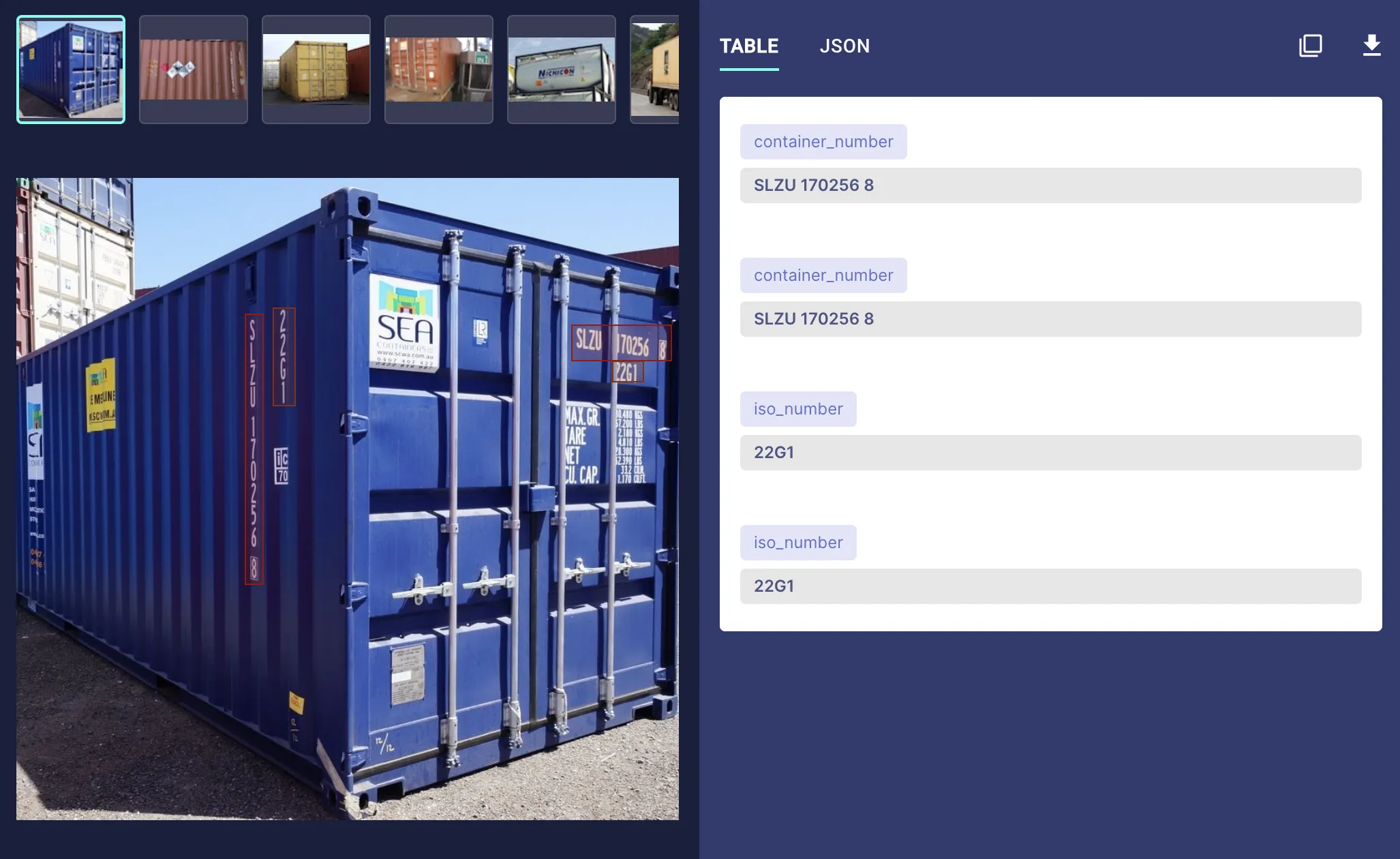
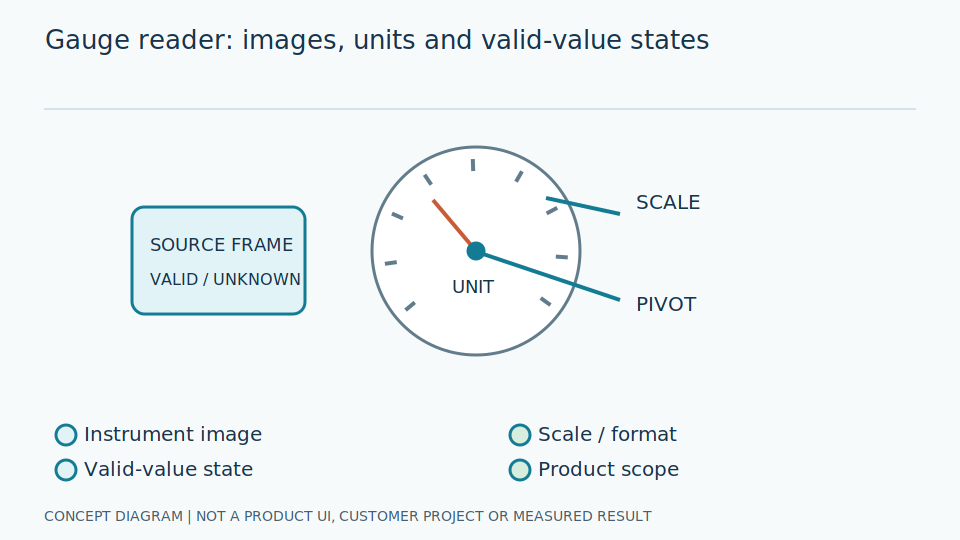
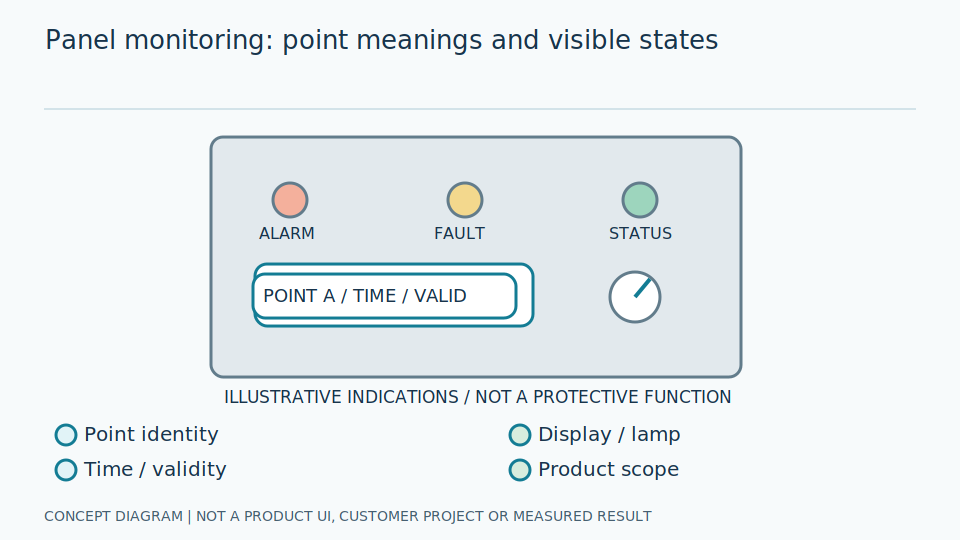
AI Vision products answer different questions: some read values, some recognize text and others detect objects or states. Sharing an image input does not make their outputs interchangeable. Begin with what the receiving system needs and what the user will do next.
Detail pages explain image preparation, processing, integration and limitations for comparison with real work. Engineering guidance and proposed developments are not confirmation that every feature is released or every device is supported.
Before treating catalog figures or features as procurement requirements, confirm the version, deliverables, measurement conditions and test evidence with an SI partner. A demonstration does not establish performance at an unsurveyed installation.
Test valid answers and unreadable observations together
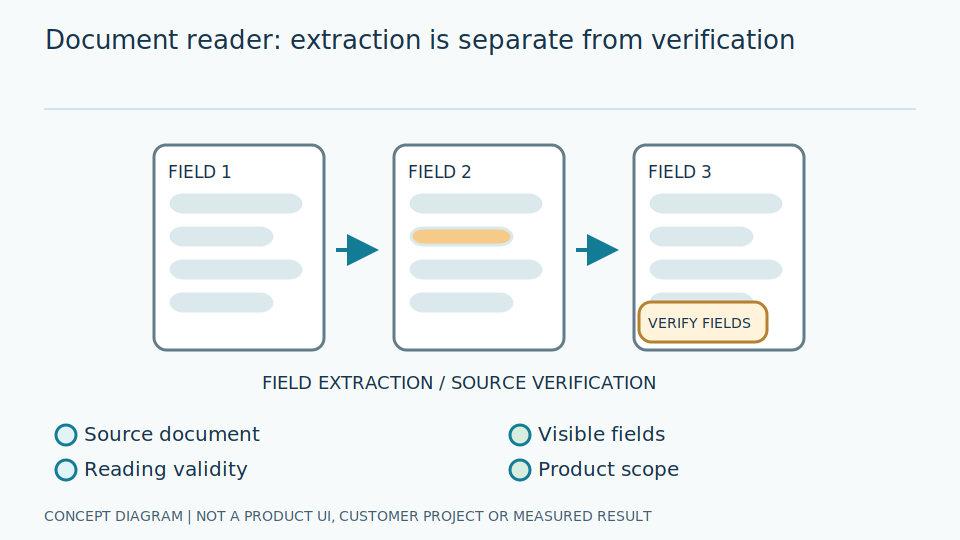
Use shareable examples from several operating conditions, not only easy images, with reference answers verified by a person or existing instrument. This exposes imaging limits and distinguishes detection, text recognition and numerical measurement.
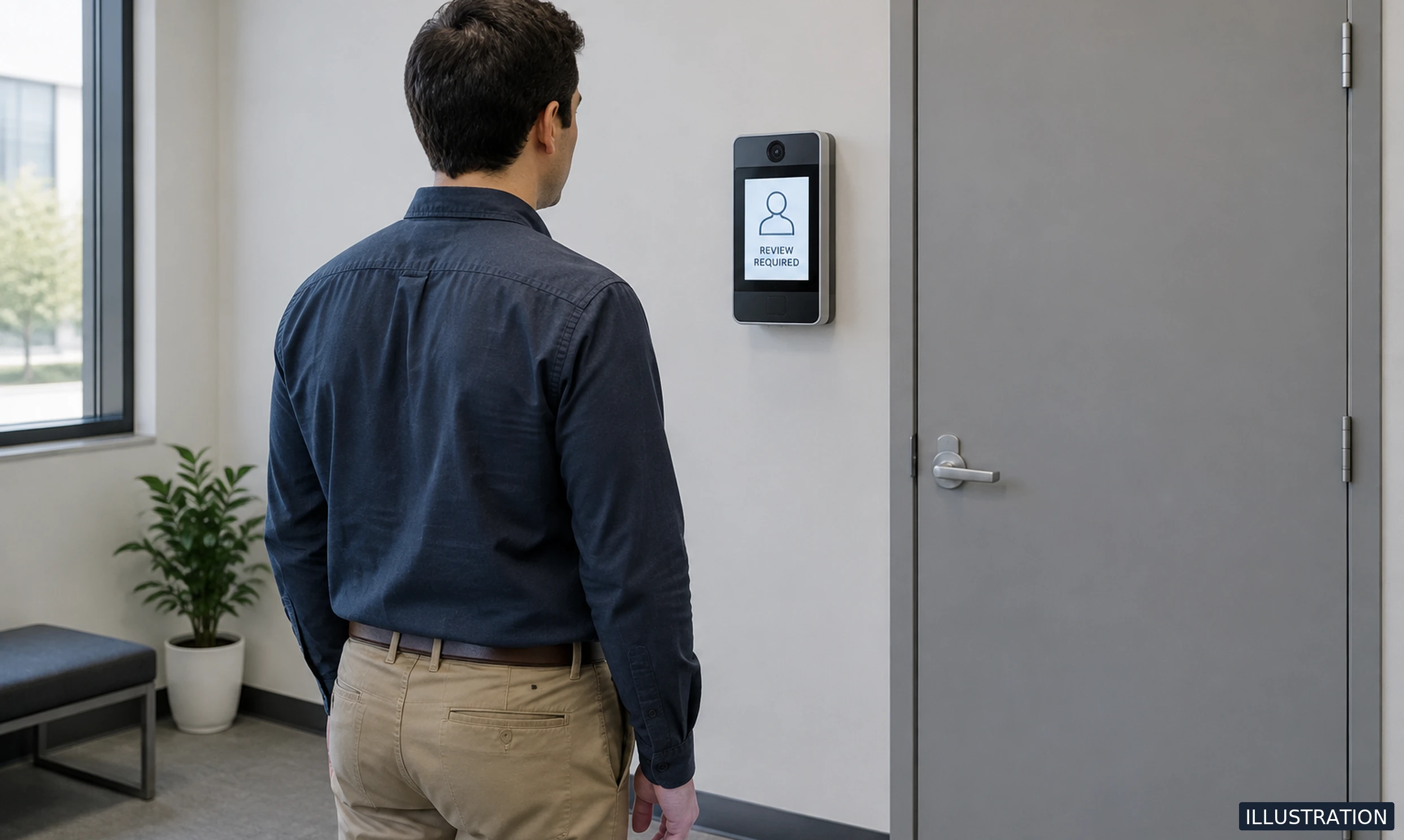
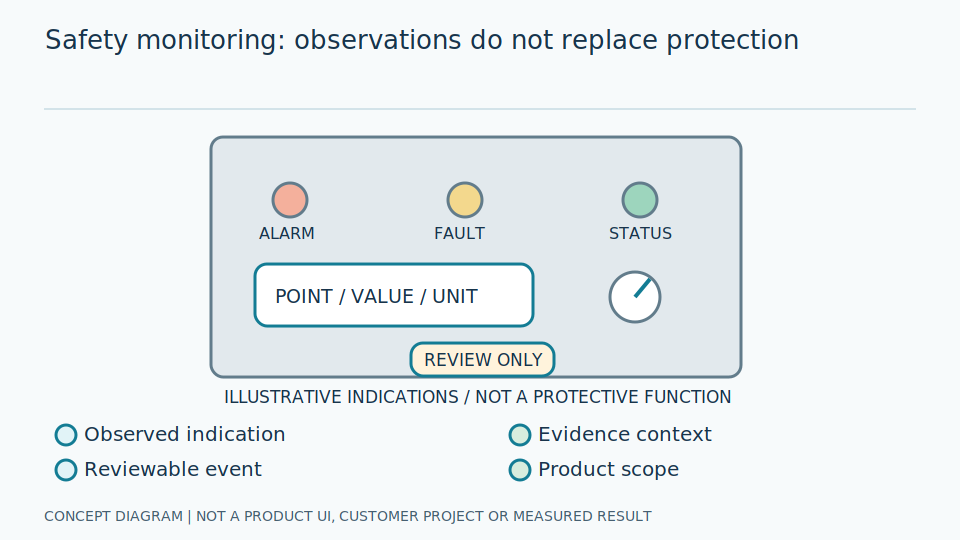
Represent uncertainty separately: unreadable, incomplete view or pending review. Zero and empty text can be genuine results, so they should not stand in for every failure. Design evidence retention and access around the actual needs of the task.
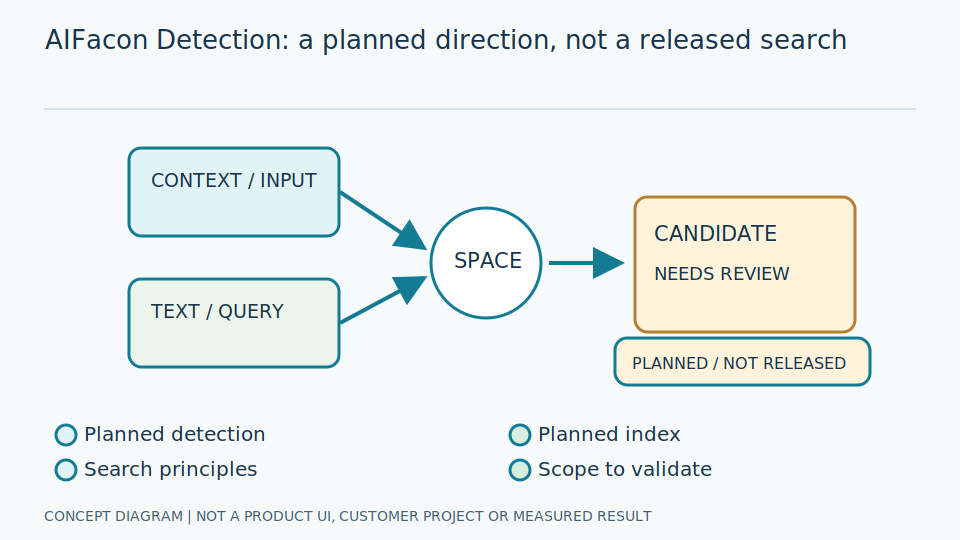
Evaluate the path from image capture to user, including latency, duplicates and receiver downtime. Additional capabilities should be documented as proposals pending scope confirmation and trials, not assumed current features merely because they are common industry approaches.